The Hidden Curriculum of Berkeley Pre‑Meds: What No One Tells You About Research, Shadowing, and “Doing It All”
Written by: Theo Chen | Edited by: Angela Zhang
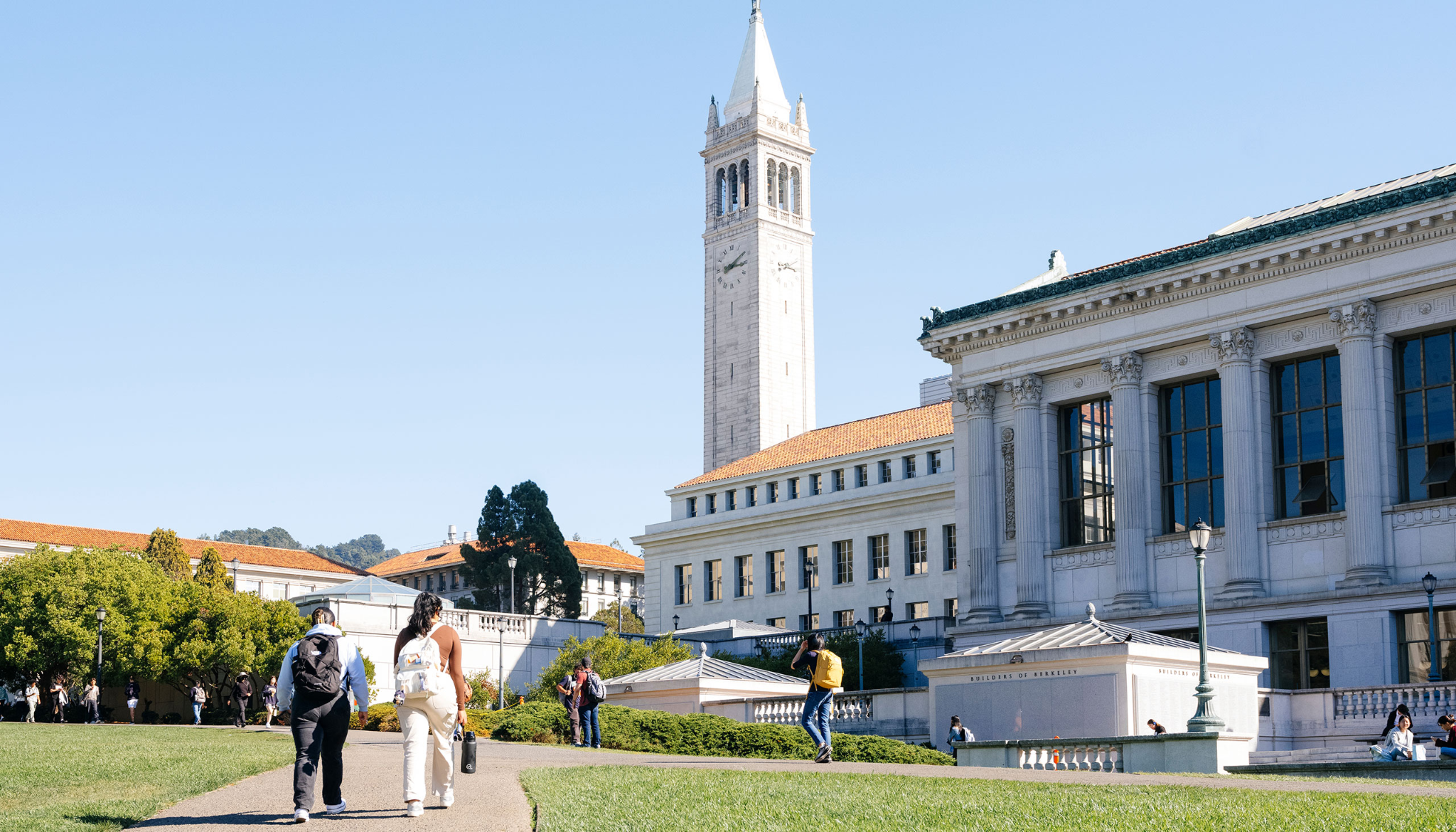
Image credit: Elena Zhukova/University of California
Gatekeeping help, extracurriculars, and even friends: even at upperclassmen panels ostensibly meant to help younger students the panelists did not hide their attempts to gatekeep opportunities. Sure, panelists can vary, but it really goes to show how widespread gatekeeping truly is.
What’s more is that in classmate interactions, students come off like they are doing everything. Questions like “Have you applied for URAP yet?”, regardless of their intentions to be curious or simply make conversation, subliminally spell one clear message: Keep up.
At Berkeley, there are expectations that no one is taught explicitly. Without a clearly defined program for pre-med students, we are taught to sink or swim.
In the Berkeley pre-med context, this feeling is amplified by the scale of prestige here at “The Nation’s Number One Public University.” The most difficult part? That students learn these rules socially through whispers, group chats, small talk, and club culture. Here’s a guide to the four popular pillars of a strong medical school applicant, and their unfortunate downfalls as part of Berkeley culture.
Research: The Prestige Economy
Research is important because it shows intellectual curiosity and an application of learned science, among many other things. However, at a research-heavy institution like our own, research has become a currency for pre-med students. There’s a huge scramble for “big name” Principal Investigators like Jennifer Doudna, or to get published before graduation. When students talk, “Are you doing research?” becomes a common question that defines who’s ahead and who isn’t.
Though a big-name PI may seem great, it's the quality of their letter and your experience that are truly valuable. Many famous PIs are often traveling and don’t have the time you are expecting to speak to you, let alone guide you. What’s important is to learn as an individual and gain the skills necessary for medical school through research. Check out my other blog, “My Nobel Laureate Lab Experience,” on research to learn more!
Shadowing: The Silent Gatekeeper
Shadowing is another core tenet of rooting your pre-medical aspirations into something concrete. Shadowing is incredibly important for gaining industry perspective as a healthcare professional, but there is no centralized system at Berkeley. Students rely on cold emails, family connections, or sheer luck. Without something accessible, students travel far to UCSF in hopes of shadowing, and others sink at the lack of family connections.
Leadership: The Illusion of Doing Everything
We’ve all heard the story of the double-club president who’s also the head of their club sports team and the head volunteer coordinator. Berkeley culture has shaped this over-involvement into something to revel in. Leadership roles are resume currency, and student organizations have become a competition. When students spread themselves thin with over-involvement, the cycle of burnout is inevitable: overcommit → under-sleep/under-eat → repeat.
To avoid such outcomes, leadership roles need to be meaningful as opposed to performative. Can you comfortably talk about an experience and why it is meaningful to you? Personally, I’d recommend one to two leadership positions. I’ve seen my peers spread themselves this way with club leadership, being the multiclub president, and not having time to study due to commitments to meetings and trainings. These club positions don’t need to happen at the same time, either. Spread them out into different semesters. Leadership does not need to be tied to prestige. Start your own club, head your own initiative, and work with non-school-affiliated organizations. These things can also give you the experience you need, without the pressures of combining community and competition.
Clinical Hours: Proving that You Care
“He has over 500 hours as a scribe; he is definitely ready to become a doctor.”
That’s what everyone believes that admissions officers will think when reading through their experiences.
While it’s true that clinical hours are important because you want to show that you know what you’re getting yourself into when applying to medical school, there is also no strict cutoff to the number of hours needed to apply to medical schools. Instead of rushing your EMT/MA certification sophomore summer and working those 20 hours in two days, do something passionate to you. Berkeley pre-medical students have a culture of cramming for certification to start part-time jobs and build their hours. It’s widely known to be an efficient strategy. However, such actions may not always go with their story– and frankly, is it truly compelling to see yet another EMT who works at RockMed or private transport? Find something different that tells your own story. Alternative medicine avenues exist for gathering clinical experience at senior centers, homeless shelters, paternity clinics, and rehabilitation centers. Be resourceful and be honest with yourself about what you are interested in.
What’s Truly Important
Everybody wants to succeed, but these pillars only get you to the starting line. What’s important is to familiarize yourself with the nuances. I hope that I’ve dispelled some Berkeley Pre-Med fallacies. I encourage you to build upon your newly gained knowledge through peer and senior mentorship, starting your own initiatives, and finding your real reasons for “why medicine.” The hidden curriculum is real, but it doesn’t have to define you.
